Socolive được xem là địa chỉ trực tiếp bóng đá đáng tin cậy dành cho người hâm mộ Việt nhờ hệ thống link phát sóng chất lượng cao hoạt động liên tục 24/7. Nền tảng mang đến trải nghiệm xem ổn định, mượt mà, đồng thời cập nhật đầy đủ lịch thi đấu, kết quả và highlight hấp dẫn hoàn toàn miễn phí, giúp fan bóng đá theo dõi trọn vẹn mọi diễn biến sôi động mỗi ngày.

Socolive Trang Xem TTBD 4K Hôm Nay, Socolive TV Trực Tiếp Bóng Đá 2026
Đường link xem bóng đá sắc nét, mượt mà mới nhất 2026 tại: https://sshc.ca/
Tất cả
Trận hot
Đang đá
Hôm Nay
Ngày mai
Đang tải dữ liệu trận đấu...
Socolive 2026 – Nền tảng trực tiếp bóng đá miễn phí, siêu mượt
Socolive là một trang web trực tiếp bóng đá miễn phí, được thành lập vào năm 2020. Socolive TV hiện là nền tảng theo dõi thể thao trực tuyến hàng đầu tại Việt Nam, nơi gắn kết những tâm hồn yêu trái bóng tròn. Bằng mục tiêu cung cấp các trận đấu sắc nét mà không cần bỏ ra chi phí, địa chỉ này đã sớm trở thành lựa chọn hàng đầu của fan hâm mộ. Từ những sân chơi đẳng cấp thế giới đến các giải đấu quốc nội, hệ thống luôn đảm bảo truyền tải hình ảnh Full HD, góp phần nâng tầm trải nghiệm giải trí cho cộng đồng yêu thích thể thao. Nền tảng không ngừng cải tiến để mang lại sự hài lòng tuyệt đối cho khách hàng mỗi ngày. Socolive TV ra đời với hoài bão tạo nên một không gian giao lưu và gắn kết cộng đồng người hâm mộ. Socolive không đơn thuần cung cấp các trận cầu mà còn là nơi để mọi người cùng tranh luận và bộc lộ cảm xúc. Điều này thể hiện qua dàn bình luận viên dày dạn kinh nghiệm cùng những phòng chat sôi nổi, giúp người xem thoải mái bàn luận về trận đấu hay đội bóng yêu thích. Website đã xây dựng một tập thể đoàn kết, nơi mà ngọn lửa đam mê bóng đá luôn được gìn giữ và tôn vinh mạnh mẽ thông qua từng khung hình trực tiếp.
Tại sao Socolive trở thành lựa chọn số 1 của fan túc cầu
Trong những năm gần đây, Socolive đã bứt phá mạnh mẽ để khẳng định vị thế là điểm đến xem bóng đá trực tuyến uy tín hàng đầu tại thị trường Việt Nam. Nhờ sự góp mặt của đội ngũ bình luận viên tài năng cùng hệ thống hạ tầng kỹ thuật được đầu tư bài bản, trang web đã chiếm trọn niềm tin của người hâm mộ, trở thành cái tên ưu tiên số một mỗi khi các tín đồ túc cầu giáo tìm kiếm link trực tiếp bóng đá chất lượng.
Trải nghiệm “3 KHÔNG” độc quyền
Socolive kiến tạo không gian xem bóng đá lý tưởng với ba tiêu chí vàng: Không quảng cáo – Không thu phí – Không gián đoạn. Chúng tôi triệt tiêu mọi yếu tố gây nhiễu để người xem tập trung tối đa vào diễn biến trận đấu. Với triết lý phục vụ cộng đồng, mọi dịch vụ tại đây đều miễn phí 100%, tạo nên sợi dây kết nối bền chặt với người hâm mộ. Bên cạnh đó, nhờ sở hữu nền tảng công nghệ tối tân, Socolive vận hành bền bỉ mà không cần thời gian dừng máy bảo trì, cam kết đáp ứng nhu cầu giải trí của khán giả một cách tức thì và hoàn hảo nhất.
Đội ngũ BLV “vừa có tâm, vừa có tầm”
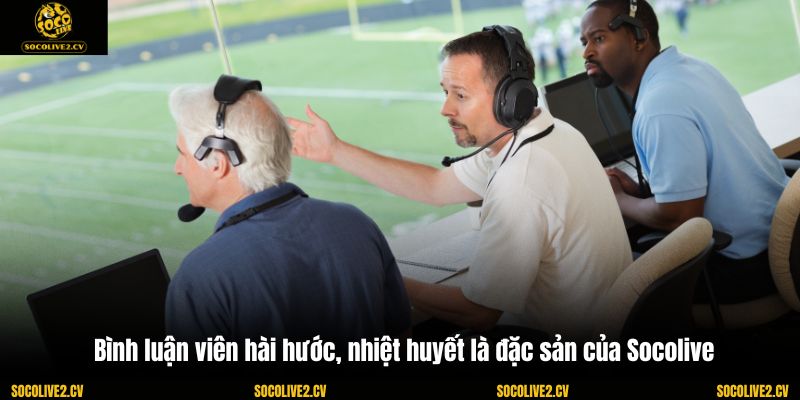
Sức hút khác biệt của Socolive nằm ở đội ngũ hơn 100 bình luận viên chuyên nghiệp, những người luôn túc trực để ‘tiếp lửa’ cho hàng ngàn trận cầu mỗi tháng. Đây chính là niềm tự hào giúp website trở thành điểm hẹn yêu thích của cộng đồng yêu bóng đá Việt Nam. Dù bạn yêu thích phong cách bình luận hài hước hay chuyên sâu, dàn BLV đa sắc thái của chúng tôi luôn sẵn sàng phục vụ và mang lại trải nghiệm xem bóng đá sống động nhất cho khán giả.
BLV Deco
Trong dàn nhân sự kỳ cựu tại Socolive, BLV Deco được xem là một ‘cây đại thụ’ với thâm niên gắn bó lâu dài và sở hữu lượng người hâm mộ vô cùng đông đảo. Anh chinh phục khán giả bằng chất giọng truyền cảm, nhẹ nhàng – một nét đặc trưng riêng biệt tạo nên sức hút khó cưỡng. Đặc biệt, Deco luôn giữ phong thái hòa nhã và lối ứng xử văn minh, chưa bao giờ khiến người xem cảm thấy nặng nề hay khó chịu. Bước vào không gian của anh, bạn sẽ tận hưởng trọn vẹn sự thư giãn qua những câu chuyện bóng đá đầy lôi cuốn cùng những màn tung hứng hóm hỉnh, mang đậm dấu ấn cá nhân.
BLV Tap
Nếu bạn yêu thích sự máu lửa và những màn bình luận ‘rực lửa’, BLV TAP chắc chắn là cái tên không thể bỏ qua tại Socolive. Trái ngược BLV DECO, TAP mang đến một nguồn năng lượng bùng nổ với lối dẫn dắt cuồng nhiệt và không ngại va chạm. Anh nổi tiếng là người thẳng tính, sẵn sàng đưa ra những nhận xét ‘thật như đời’ mà không hề kiêng dè. Tuy phong thái này ban đầu có thể gây ấn tượng mạnh, nhưng khi đã quen với nhịp điệu của TAP, người xem sẽ nhận ra đó chính là sự tận tâm và tình yêu mãnh liệt mà anh dành cho trái bóng tròn.
BLV Lucy
Giữa đội ngũ BLV tài năng, Lucy hiện lên như một bóng hồng rực rỡ, mang đến làn gió mới đầy sức sống cho Socolive. Không chỉ sở hữu nhan sắc khả ái chiếm trọn ánh nhìn, cô còn chinh phục trái tim khán giả bằng lối dẫn dắt cực kỳ thông minh và hóm hỉnh. Sự kết hợp giữa vẻ ngoài cuốn hút và nét duyên dáng trong từng câu chữ đã tạo nên một ‘ma lực’ khó cưỡng, khiến bất kỳ ai lỡ lạc bước vào phòng Live của cô đều chẳng muốn rời đi. Lucy chính là tâm điểm được người hâm mộ săn đón và mong đợi nhất mỗi khi có lịch lên sóng.
Tính năng tương tác độc bản
Để bày tỏ tình cảm và sự ủng hộ dành cho các BLV, bạn chỉ cần đăng nhập tài khoản Socolive và sử dụng tính năng tặng quà độc đáo ngay tại khung chat. Những vật phẩm này được thiết kế như một lời tri ân tinh thần, giúp ‘tiếp lửa’ cho dàn BLV trong suốt trận đấu. Điều tuyệt vời nhất là tất cả quà tặng đều hoàn toàn miễn phí, bạn có thể thoải mái gửi gắm sự cổ vũ nhiệt tình của mình mà không cần lo lắng về bất kỳ khoản chi phí nào.
Khám phá bộ tiện ích Socolive hàng đầu
Không chỉ dừng lại ở việc xem bóng đá, Socolive cung cấp một hệ sinh thái dữ liệu khổng lồ, giúp bạn trở thành một chuyên gia bóng đá thực thụ với 6 tiện ích hàng đầu:
Lịch thi đấu
Đừng để bỏ lỡ bất kỳ trận cầu tâm điểm nào. Socolive cập nhật lịch thi đấu sớm nhất của tất cả các giải đấu trên toàn cầu. Không chỉ có giờ thi đấu, chúng tôi cung cấp “tất tần tật” thông tin từ: đội hình dự kiến, trọng tài bắt chính, sân vận động đến phong độ 5 trận gần nhất và lịch sử đối đầu. Mọi dữ liệu đều được trình bày trực quan, giúp bạn dễ dàng lên kế hoạch thưởng thức bóng đá.
Kết quả bóng đá
Nếu bạn bỏ lỡ tiếng còi mãn cuộc đêm qua, chuyên mục kết quả bóng đá sẽ là cứu cánh hoàn hảo. Chúng tôi không chỉ trả về tỷ số cuối cùng mà còn mang đến cái nhìn chi tiết nhất về diễn biến trận đấu thông qua các thông số: thời lượng kiểm soát bóng, số quả phạt góc, thẻ phạt, cầu thủ ghi bàn và những đường kiến tạo đẹp mắt. Mọi thông tin được cập nhật theo thời gian thực (Real-time) cực kỳ chính xác.
Bảng xếp hạng
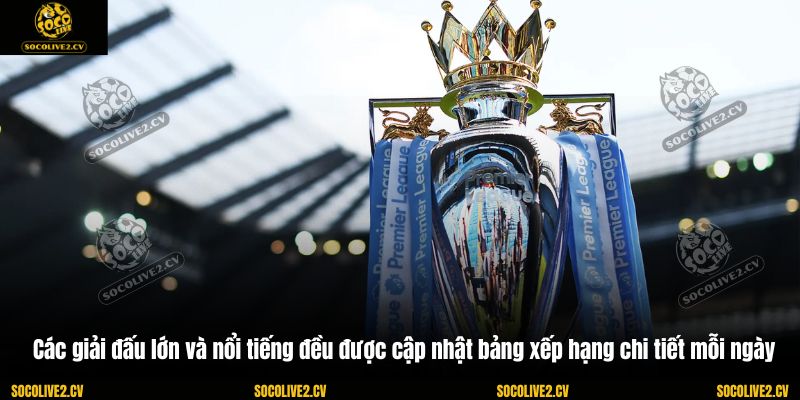
Bảng xếp hạng tại Socolive giúp bạn bám sát vị thế của các đội bóng trong mọi cuộc đua: từ cuộc chiến giành ngôi vương đến cuộc đua trụ hạng nghẹt thở. Hệ thống tự động cập nhật biến động sau mỗi trận đấu, hiển thị đầy đủ: số vòng đã đấu, tổng điểm, hiệu số bàn thắng bại và phong độ hiện tại. Bạn sẽ luôn biết được đội bóng mình yêu thích đang đứng ở đâu trên bản đồ túc cầu.
Tỷ lệ kèo
Dành riêng cho những anh em yêu thích dự đoán, Socolive cập nhật tỷ lệ kèo từ các nhà cái uy tín với độ chính xác tuyệt đối. Các thông số kèo châu Á, kèo châu Âu, tài xỉu được niêm yết từ rất sớm, giúp anh em có thêm thời gian nghiên cứu, đối chiếu và đưa ra những quyết định vào tiền thông minh nhất.
Nhận định chuyên sâu
Chuyên mục nhận định bóng đá và cẩm nang cá cược là nơi hội tụ tinh hoa từ các chuyên gia hàng đầu. Chúng tôi cung cấp những bài phân tích đa chiều về thực lực, chiến thuật và những biến động ngoài sân cỏ. Đây là nguồn tham khảo quý giá giúp bạn gia tăng tỷ lệ thắng kèo và có cái nhìn sắc sảo hơn về mỗi trận đấu.
Tin tức bóng đá
Đội ngũ biên tập viên năng động của Socolive làm việc không ngừng nghỉ để mang đến những tin tức nóng hổi nhất. Từ các thương vụ chuyển nhượng “bom tấn”, tình hình chấn thương của các ngôi sao đến những sự kiện bên lề sân cỏ đầy thú vị. Socolive cam kết thông tin luôn nhanh, chuẩn xác và đa chiều, giúp bạn luôn dẫn đầu trong mọi câu chuyện về bóng đá.
Tổng hợp các giải đấu “đỉnh cao” phát sóng tại Socolive 2026
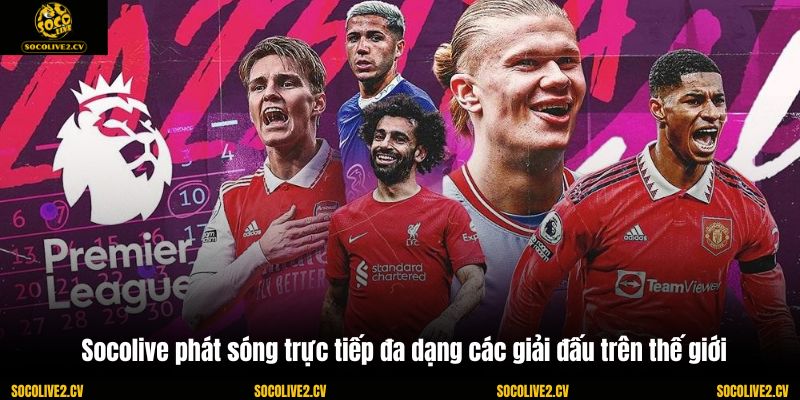
Hệ sinh thái thể thao của Socolive TV luôn tràn ngập những lựa chọn hấp dẫn, sẵn sàng chiều lòng những fan hâm mộ khó tính nhất. Hãy cùng chúng tôi khám phá ngay những giải đấu tiêu biểu đang được phát sóng trực tiếp với chất lượng đỉnh cao tại website này nhé:
Ngoại hạng Anh
Đến với Socolive, Ngoại hạng Anh không chỉ là một giải đấu, mà là một bữa tiệc túc cầu thịnh soạn mà bất kỳ fan hâm mộ nào cũng không thể bỏ lỡ. Được mệnh danh là giải đấu hấp dẫn nhất hành tinh, Premier League thu hút hàng triệu trái tim nhờ tính cạnh tranh khốc liệt và sự góp mặt của những siêu sao hàng đầu. Socolive tự hào mang đến cho bạn cơ hội theo dõi trực tiếp mọi diễn biến của giải đấu này với chất lượng hình ảnh tốt nhất. Từ những trận Derby Manchester rực lửa, Derby London kịch tính đến cuộc đua vô địch nghẹt thở, tất cả đều được cập nhật đầy đủ. Bên cạnh việc truyền hình trực tiếp, chúng tôi còn cung cấp lịch thi đấu chi tiết, bảng xếp hạng và các bản tin phân tích chuyên sâu từ đội ngũ BLV giàu kinh nghiệm. Socolive cam kết mang lại trải nghiệm xem bóng đá mượt mà, giúp bạn cháy hết mình cùng đội bóng thân yêu trong từng phút giây.
UEFA Champions League
Champions League (Cúp C1) chính là giấc mơ của mọi cầu thủ và là tâm điểm chú ý của toàn thế giới. Đây là nơi quy tụ những “ông lớn” tinh túy nhất từ các giải quốc gia hàng đầu như Anh, Tây Ban Nha, Ý và Đức. Để góp mặt tại đấu trường này, các đội bóng phải trải qua những vòng loại khắc nghiệt, chứng minh bản lĩnh của một nhà vô địch thực thụ. Tại Socolive, chúng tôi truyền tải trọn vẹn hành trình của Cúp C1 từ vòng bảng cho đến trận chung kết lịch sử. Đặc biệt, đêm chung kết – sự kiện thể thao lớn nhất năm – luôn được Socolive đầu tư kỹ lưỡng về đường truyền và bình luận viên để phục vụ hàng triệu khán giả. Hãy chuẩn bị tinh thần để chiêm ngưỡng những pha xử lý đẳng cấp từ các siêu sao thế giới ngay trên màn hình thiết bị của bạn.
Europa League
Dù là sân chơi hạng hai của châu Âu, nhưng Europa League (Cúp C2) chưa bao giờ giảm nhiệt đối với cộng đồng người hâm mộ tại Socolive. Đây là nơi hội tụ của những câu lạc bộ giàu truyền thống và các “ngựa ô” gây bất ngờ từ khắp lục địa già. Giải đấu này nổi tiếng với sự đa dạng trong phong cách thi đấu và những màn lội ngược dòng khó tin. Socolive TV là cầu nối giúp bạn tiếp cận mọi trận đấu tại Europa League một cách dễ dàng và hoàn toàn miễn phí. Tại đây, bạn không chỉ xem trực tiếp với tốc độ cao mà còn được cập nhật liên tục các thông tin bên lề, kết quả trận đấu và nhận định kèo bóng đá chính xác. Với sự đồng hành của Socolive, mỗi trận cầu tại Cúp C2 sẽ trở nên sống động và lôi cuốn hơn bao giờ hết.
Bóng đá nữ
Bóng đá nữ đang ngày càng khẳng định vị thế và sức hút mạnh mẽ trên bản đồ thể thao thế giới. Thấu hiểu điều đó, Socolive đã dành riêng một không gian chuyên nghiệp để phát sóng các giải đấu nữ đỉnh cao, đáp ứng nhu cầu theo dõi của những khán giả yêu mến sự kiên cường và tài năng của các cô gái vàng. Từ các sân chơi tầm cỡ như FIFA Women’s World Cup, UEFA Women’s Champions League đến các giải vô địch quốc gia như Super League (Anh) hay NWSL (Mỹ), Socolive đều cung cấp link xem trực tiếp Full HD. Ngoài việc phát sóng, chúng tôi còn cập nhật tin nóng 24h về thị trường chuyển nhượng, hồ sơ cầu thủ và những câu chuyện truyền cảm hứng của bóng đá nữ toàn cầu, tạo nên một hệ sinh thái thể thao đa dạng và bình đẳng.
Hướng dẫn truy cập và bảo mật khi xem Socolive trực tuyến
Bạn gặp khó khăn khi link bị chặn hoặc lo lắng về mã độc? Hãy cùng khám phá ngay các phương thức tìm Socolive link chuẩn xác và cách tối ưu hóa đường truyền để mỗi trận cầu đều trở nên trọn vẹn, an toàn và không giật lag.
Cách tìm link Socolive chuẩn không bị chặn (Update 2026)
Để lấy link nhanh nhất, bạn chỉ cần gõ cú pháp “Socolive + tên trận đấu” trên Google. Chỉ sau vài giây, hệ thống sẽ trả về các đường dẫn trực tiếp chính xác nhất. Ngoài ra, bạn có thể truy cập thông qua các trang tin tức thể thao uy tín có liên kết với Socolive để đảm bảo an toàn và tiết kiệm thời gian trước giờ bóng lăn. Gia nhập các nhóm Zalo hoặc Telegram của Socolive là lựa chọn thông minh để nhận link xem ổn định. Với cộng đồng hàng ngàn thành viên, quản trị viên luôn cập nhật link phát sóng sớm nhất, đảm bảo tốc độ cao và không giật lag. Đây cũng là nơi lý tưởng để anh em cùng đam mê giao lưu và chia sẻ thông tin trận đấu. Trong trường hợp link chính bị quá tải hoặc gặp sự cố kỹ thuật, bạn có thể chuyển sang các kênh cùng hệ sinh thái để không làm gián đoạn trải nghiệm: Luongson TV, CakhiaTV, Xoilac TV, Thapcam TV, 90Phut TV, Rakhoi TV, Mitom TV, Vaoroi TV hoặc Caheo TV.
Bí kíp xem bóng đá mượt mà
Trước khi xem, hãy kiểm tra độ ổn định của thiết bị và đường truyền internet (Wifi/mạng dây) để tránh giật lag. Quan trọng nhất, chỉ truy cập các đường link chính thức do trang chủ hoặc đội ngũ CSKH Socolive cung cấp. Điều này giúp bạn tránh xa các website giả mạo chứa mã độc, đảm bảo an toàn tuyệt đối cho thông tin cá nhân.
Giải đáp thắc mắc (FAQ) về Socolive TV
Đừng bỏ lỡ phần giải đáp dưới đây, nơi chúng tôi giải thích tường tận mọi thắc mắc phổ biến nhất. Những thông tin này sẽ giúp bạn hiểu rõ hơn về nền tảng và có được những giây phút thưởng thức bóng đá trọn vẹn, không gián đoạn.
Socolive có thu phí người dùng không?
Hoàn toàn không. Socolive hoạt động vì mục đích cộng đồng, cung cấp tất cả link xem trực tiếp bóng đá và tiện ích thể thao miễn phí 100%. Bạn không cần bỏ ra bất kỳ chi phí nào để tận hưởng các trận cầu đỉnh cao tại đây.
Tại sao link vào Socolive thường xuyên thay đổi?
Do các nhà mạng tại Việt Nam đôi khi chặn các nền tảng phát sóng trực tiếp hoặc do hệ thống chủ động chuyển hướng để giảm tải cho máy chủ khi lượng người xem quá đông. Hãy luôn theo dõi Fanpage hoặc nhóm Telegram để cập nhật hệ thống link dự phòng mới nhất.
Xem bóng đá trên điện thoại có cần tải App không?
Không nhất thiết. Website Socolive được tối ưu hóa cho mọi nền tảng di động. Bạn chỉ cần truy cập bằng trình duyệt (Chrome, Safari…) là có thể xem mượt mà với giao diện chuẩn Mobile mà không cần cài đặt thêm ứng dụng, giúp tiết kiệm dung lượng thiết bị.
Socolive có bản quyền các giải lớn như World Cup, Euro hay Ngoại hạng Anh không?
Socolive là nền tảng chia sẻ link trực tiếp từ các nguồn uy tín toàn cầu, giúp người hâm mộ tiếp cận trận đấu một cách dễ dàng nhất. Chúng tôi luôn nỗ lực tổng hợp những đường truyền chất lượng cao, có bình luận tiếng Việt để phục vụ khán giả trong mọi mùa giải lớn.
Làm thế nào để trở thành Bình luận viên của Socolive?
Chúng tôi luôn mở rộng cửa chào đón các tài năng mới. Nếu bạn có đam mê, kiến thức bóng đá và lối dẫn dắt tự tin, hãy liên hệ với bộ phận nhân sự qua Telegram hoặc Fanpage chính thức để tham gia ứng tuyển và có cơ hội tỏa sáng trước hàng triệu khán giả.
Tại sao đôi khi gặp tình trạng giật lag và cách khắc phục?
Lag có thể do đường truyền internet của bạn không ổn định hoặc quá tải người xem cùng lúc. Cách xử lý: Hãy thử tải lại trang (F5), chuyển đổi sang các link dự phòng khác (Link 1, Link 2…) hoặc giảm độ phân giải xuống 720p để hình ảnh được xuyên suốt.
Kết luận
Socolive tự hào là điểm hẹn lý tưởng cho fan bóng đá Việt nhờ khả năng cập nhật tin tức chuyên sâu và dữ liệu trận đấu chính xác từng giây. Nền tảng ghi điểm tuyệt đối với người dùng bởi giao diện thân thiện và tốc độ tải trang cực nhanh. Hãy để Socolive TV nâng tầm trải nghiệm xem bóng đá trực tuyến của bạn bằng chất lượng hình ảnh Full HD cùng hệ thống nội dung thể thao phong phú, đa dạng.

Nhận định Sunderland vs Manchester City 03h00 02/01: Đẳng cấp nhà vua
Năm mới 2026 vừa gõ cửa, nhưng Ngoại hạng Anh thì không có khái niệm [...]

Đừng Đùa Với Aston Villa
Aston Villa dưới thời Unai Emery đang khiến cả Premier League phải “ngước nhìn” với [...]

Nhận Định Aston Villa Vs MU (23h30 ngày 21/12/2025)
Trận đấu giữa Aston Villa và Manchester United tại vòng 17 Premier League 2025/26, diễn [...]

Nhận Định Bóng Đá Nữ Việt Nam Vs Philippines (19h30 ngày 17/12/2025)
Chung kết bóng đá nữ SEA Games 33 giữa U22 nữ Việt Nam và U22 [...]

Áp Lực Tâm Lý Đè Nặng: Thu Vinh Và Quang Huy Vuột Mất HCV Bắn Súng SEA Games 33
Tại SEA Games 33 diễn ra ở Thái Lan, đội tuyển bắn súng Việt Nam [...]

Nhận Định Aston Villa Vs Arsenal (19h30 ngày 6/12/2025)
Trận đại chiến vòng 15 Premier League giữa Aston Villa và Arsenal lúc 19h30 ngày [...]

Kết Quả Bóng Đá Đêm 3/12 Rạng Sáng 4/12: Premier League Và La Liga Bùng Nổ
Đêm 3/12 và rạng sáng 4/12 chứng kiến những trận cầu đỉnh cao tại Premier [...]

Nhận Định Leeds Vs Chelsea (03h15 ngày 4/12/2025)
Chelsea bất bại 7 trận mọi đấu trường, sẵn sàng “nuốt chửng” Leeds đang sa [...]

Nhận Định Dortmund Vs Leverkusen (03h00 ngày 3/12/2025)
Trận 1/8 cúp Quốc gia Đức giữa Dortmund và Leverkusen lúc 03h00 ngày 3/12 hứa [...]

Nhận Định Inter Vs AC Milan (02h45 ngày 24/11/2025)
Derby Milan vòng 13 Serie A giữa Inter và AC Milan lúc 02h45 ngày 24/11 [...]

Nhận Định Fluminense Vs Flamengo (07h30 ngày 20/11/2025)
Fluminense toàn thắng 6 trận sân nhà gần nhất, quyết giữ 3 điểm trước Flamengo [...]

Nhận Định Italia Vs Na Uy (02h45 ngày 17/11/2025)
Italia dưới thời Gattuso thắng 6 liên tiếp để hồi sinh sau thảm bại lượt [...]

Nhận Định Ba Lan Vs Hà Lan (02h45 ngày 15/11/2025)
Ba Lan toàn thắng 5 trận sân nhà gần nhất chỉ thủng 1 bàn, quyết [...]

Nhận Định Georgia Vs Tây Ban Nha (00h00 ngày 16/11/2025)
Tây Ban Nha – bất bại 29 trận – chỉ cần thắng Georgia đã loại [...]

Nhận Định Fulham Vs Wolves (22h00 ngày 1/11/2025)
Trận đấu giữa Fulham vs Wolves tại vòng 10 Premier League 2025/26, diễn ra lúc [...]

Nhận Định Real Betis Vs Atletico (03h00 ngày 28/10/2025)
Trận đấu giữa Real Betis vs Atletico tại vòng 10 La Liga 2025/26, diễn ra lúc [...]

Nhận Định Real Madrid Vs Barca (22h15 ngày 26/10/2025)
Trận đấu giữa Real Madrid vs Barca tại vòng 10 La Liga 2025/26, diễn ra [...]

Nhận Định Chelsea Vs Sunderland (21h00 ngày 25/10/2025)
Trận đấu giữa Chelsea vs Sunderland tại vòng 9 Premier League 2025/26, diễn ra lúc [...]

CKTG 2025: T1 Thắng Đậm 100T, Giữ Vững Hy Vọng Tứ Kết!
Tại vòng Swiss CKTG 2025 ngày 24/10, T1 đã thể hiện sức mạnh vượt trội, [...]

Nhận Định Marseille Vs PSG (01h45 ngày 22/9/2025)
Trận đấu Marseille vs PSG tại vòng 5 Ligue 1 2025/26, diễn ra lúc 01h45 [...]